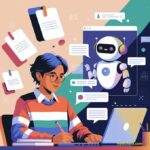
Artificial intelligence (AI) is the development of computer systems or software capable of doing tasks that would normally need human intelligence. Giving robots brains allows them to learn, reason, and make their own decisions. Unlike traditional computers, which follow predetermined instructions, AI learns from experience to solve problems, spot patterns, and make predictions.
Simply said, AI is the development of intelligent machines that can think, learn, and make decisions in the same way that humans do. It is changing the way we live, work, and communicate through technology.
I personally use AI tools daily for blogging and research at HytechEra, and I’ve seen how AI makes tasks faster and more accurate.
In this blog, we will look at the life-changing journey of Artificial intelligence(AI), from its historical roots to its current role in driving innovation and commercial progress.

Before we explore the applications of AI, let’s understand its major types and how they differ.
Also read ->>> Ethics of Artificial Intelligent And Why it is Important.
There are two types of Ai
1. general Artificial intelligence:
General Ai good at everything , it can do almost anything just like humans . This AI is not like narrow Artificial intelligence it does not fix to specific things. It can understand, learn, and be smart in lots of different areas. Just like how we humans can be good at various things.
2. narrow Ai:
Narrow AI is designed to perform on only one specific thing, it does not understand much else. For example, voice assistants like Siri and Alexa are good at giving information by following commands that we gave, but they do not know any thing else. They are excellent in their own area.
There is also a concept called ‘Superintelligence,’ which refers to AI becoming smarter than humans — this is still theoretical but widely discussed by researchers.
AI didn’t become powerful overnight — it evolved through multiple stages over several decades.
The Evolution of Artificial intelligence:
At first Artificial intelligence is followed some rules and work according to it like a computer with strict instructions. But now it can learn on its own by using machine learning. AI is now moving towards something more incredible, trying to be intelligent as humans .

Today, AI systems use deep learning and neural networks inspired by the human brain, enabling them to recognize speech, images, and complex patterns.
Applications of AI in Various Industries:
Now let’s explore how AI is reshaping different industries around us.
HealthCare
- AI in healthcare serves as a valuable tool for clinicians and researchers.
- It is useful for analyzing medical photos, identifying patterns that the human eye cannot notice, and predicting diseases early on.
- AI also speeds up drug discovery by analyzing big databases and enables personalized medicine, which tailors treatment to specific patients.
- It’s like having an extra set of intelligent eyes to assist with diagnosis, treatment accuracy, and lifesaving.
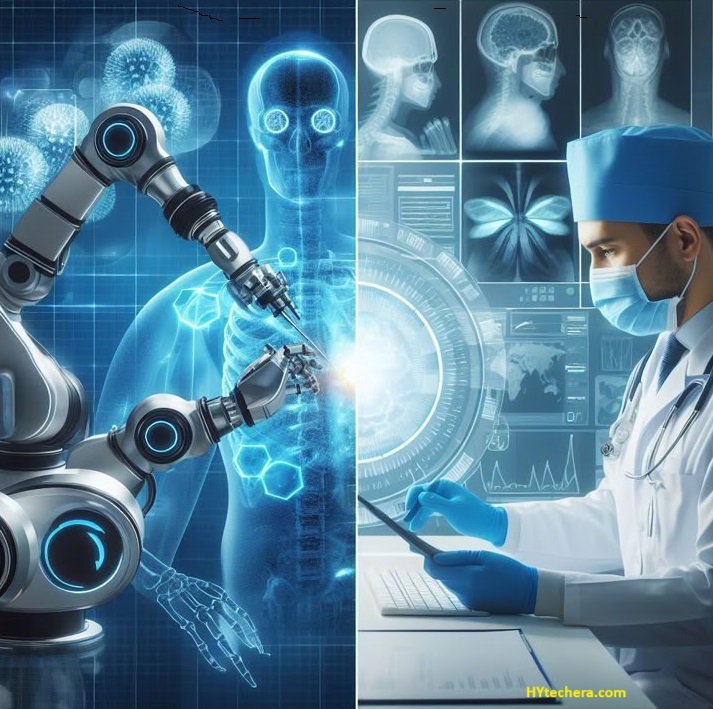
For example, AI tools like Google’s DeepMind have already predicted eye diseases earlier than human doctors.
Finance:
- AI enables finance professionals to detect fraudulent transactions, understand market patterns, and make informed investment decisions.
- It acts as a dependable financial partner, anticipating when to buy and sell, identifying hazards, and enhancing cybersecurity.
- AI-powered trading bots, credit rating algorithms, and client chatbots are becoming common in modern banking and financial institutions.

Many banks now use AI to detect fraud in real time, preventing scams before they happen.
Education:
- Ai act as a personal tutor to students , it understands the ability of students and gives the content according to it. it makes the learning more enjoyable and effective. it create a test that is convenient and adjustable to student skills. it explains the subject just like your friend.
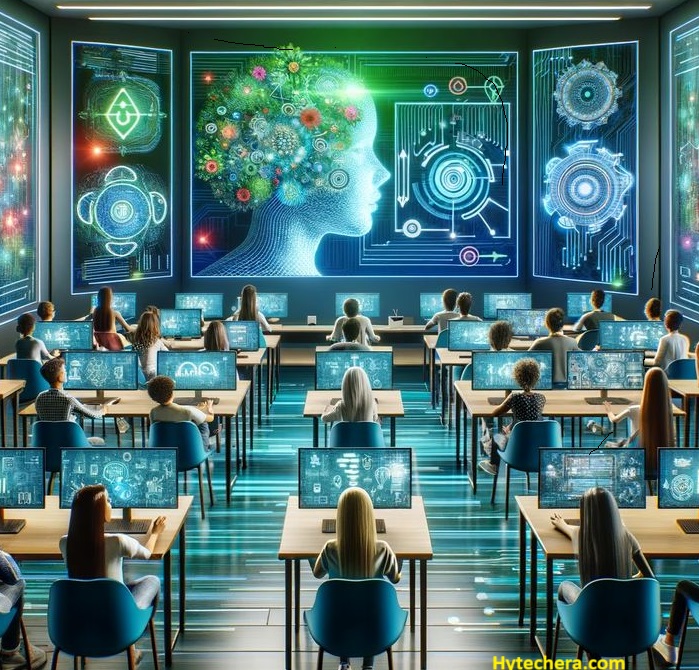
AI also helps teachers track student progress and recommend areas for improvement instantly.
Entertainment:
- Artificial intelligence (AI) has transformed the media and entertainment industries by automating tedious processes and determining audience preferences.
- From Netflix movie suggestions to AI-generated music and visual effects (VFX), it allows producers to create more engaging content more efficiently.
- AI-powered automation allows artists and producers to devote more time to their creative endeavors while enhancing marketing and audience targeting.
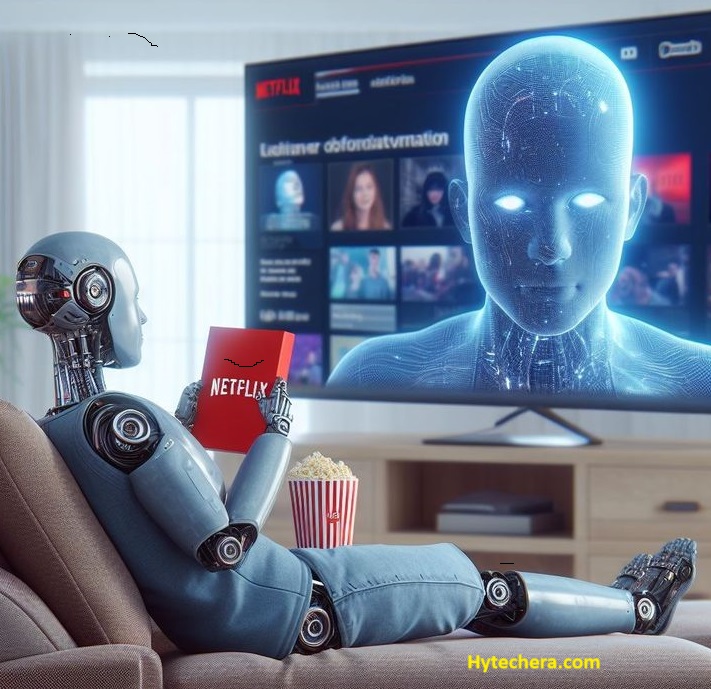
AI tools are even used to restore old movies, improve video quality, and generate realistic animations.
Challenges and Considerations:
- The AI revolution provides great opportunities, but it also presents significant challenges.
- While AI has the potential to make systems smarter and more efficient, it also introduces concerns about data privacy, bias, and job automation.
- immense power entails huge responsibility.
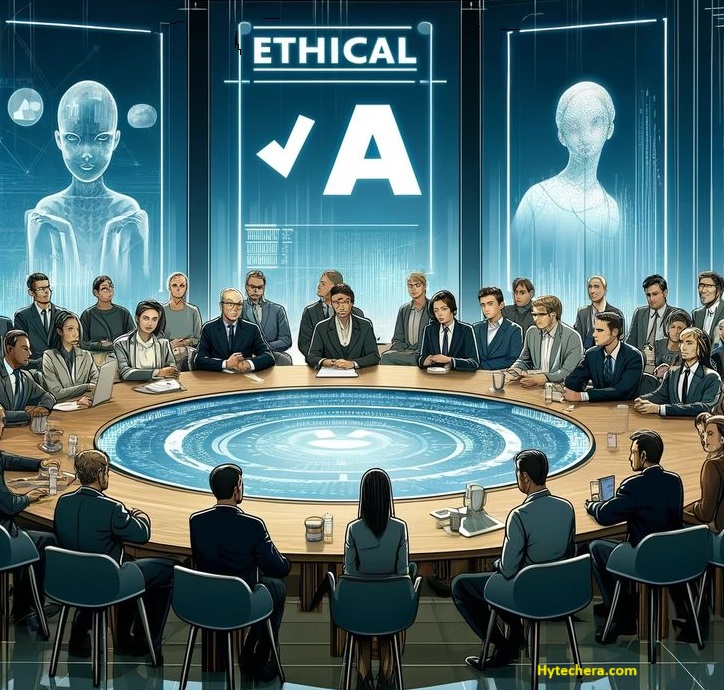
- We must use AI responsibly and transparently, safeguarding user data and avoiding misuse. Responsible AI development requires establishing systems that are fair, accountable, and understandable.
- Ongoing work in AI governance, cybersecurity, and ethics is essential for ensuring that technology benefits everyone.
- Another major challenge is algorithmic bias, where AI may unintentionally favor or discriminate based on the data it was trained on.
The Future of Artificial intelligence:
Artificial intelligence is critical to unlocking the next generation of industrial innovation.
It’s becoming a crucial part of how businesses operate, enabling automation, smarter decision-making, and better user experiences.
As technology advances, artificial intelligence (AI) will evolve to solve difficult problems across industries and contribute to a smarter, more connected world.
From predictive analytics to autonomous systems, businesses that responsibly utilize AI will have a bright future.
Experts predict that future AI systems will assist in climate research, space exploration, and disaster prediction.

Conclusion:
Artificial intelligence is more than just a fad; it is a transformative force that will determine the future of creativity, efficiency, and prosperity.
Artificial intelligence is revolutionizing all aspects of human existence, including healthcare, banking, education, and entertainment.
As we move forward, we must strike a balance between innovation and responsibility to ensure that AI benefits humanity fairly, transparently, and sustainably.
Stay informed, involved, and participate in the ongoing development of artificial intelligence. The revolution has just begun.
What part of AI excites you the most? Share your thoughts in the comments!