Have you ever felt a burning sensation or a sharp pain in your stomach? It may be more than simple indigestion. Peptic ulcers are common, but when ignored, they can lead to serious complications like bleeding, perforation, or even an increased risk of stomach cancer. Learning the early symptoms, causes, and prevention tips can help you protect your health. This Peptic Ulcers 2025 Guide explains everything you need to know.
According to Mayo Clinic, peptic ulcers are open sores that develop on the lining of the stomach or upper small intestine
Definition : Peptic ulcers are a sore that develop in the inner lining of stomach. It occurs due to stomach acid (HCL) damages the inner lining of stomach.

From what I have observed, many people ignore early stomach discomfort until symptoms become severe.
Causes of peptic ulcer:
The most common cause of peptic ulcers worldwide.
This bacteria weakens the mucosal lining and increases acid damage.
- Bacteria : Most common bacteria that cause peptic ulcer is helicobacter pylori .
- Excess NSAID Use: NSAIDs like aspirin, ibuprofen, diclofenac damage the stomach lining.
- Stress : Sometimes stress may induces the peptic ulcers. It causes over production of gastric acid (HCL), finally it leads to land up with peptic ulcers.
- Spicy foods: It leads to damaging of inner lining of the duodenum and it causes formation of the sore in the lining of the mucus.
- Smoking : Smoking causes vasoconstriction (constriction of the blood vessels) leads to decreased blood flow to the lining of the duodenum, so it leads to peptic ulcers.
- Alcohol : alcohol leads to vasoconstriction.
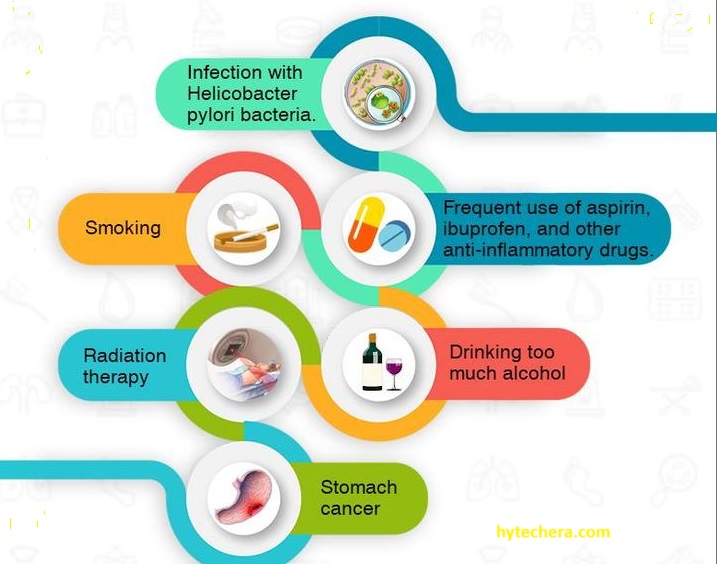
In practical observation, long-term painkiller use and stress are often underestimated risk factors.
Signs and symptoms of peptic ulcer:
- Severe pain : Peptic ulcers causes severe pain in the mouth as well as stomach due to damaging of the mucosal lining.
- Nausea : Nausea means vomiting sensation, due to the increased production of the HCL acid it occurs.
- Bloating : It is a common cause of the peptic ulcers as peptic occurs can cause by increased production of the HCL acid.
- Loss of appetite
- Weight loss
- In severe ulcers ( blood vomiting)
For a complete symptom reference, see WebMD: website.
Also read–>> How to Get Fit at Home with Zero Equipment
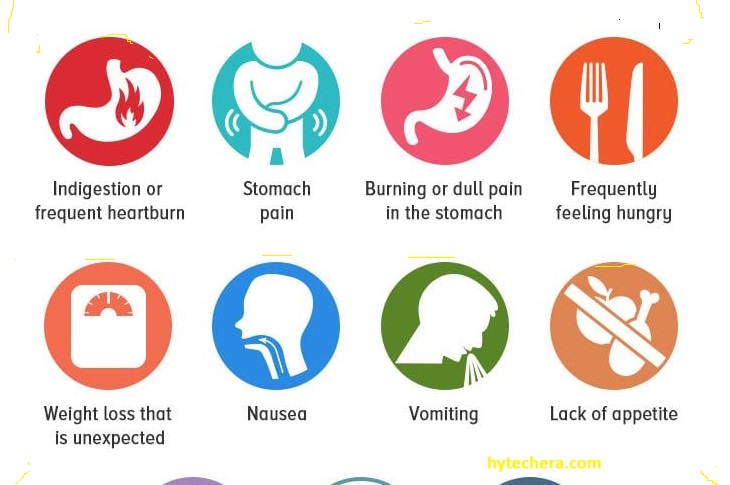
I have noticed that symptoms often worsen on an empty stomach or at night.
When Should You See a Doctor for Peptic Ulcers?
Peptic ulcer symptoms may start mild, but delaying medical advice can increase the risk of complications. Certain warning signs indicate the need for immediate medical attention. Early consultation helps prevent serious outcomes such as bleeding or perforation.
Seek medical help if you notice:
- Persistent or worsening stomach pain
- Vomiting blood or black stools
- Sudden unexplained weight loss
- Severe weakness or dizziness
From observation, people who seek early care recover faster and avoid complications.
How to diagnose the peptic ulcers :
- History collection: It includes; dietary history of the client, personal history, habits of client (alcohol ,smoking)
- Physical examination: Complete head to foot examination is needed to diagnose the peptic ulcers and systemic examination on gastro interstitial system.
- Blood test: Complete blood count (CBC), it includes RBC( red blood cells ), WBC(white blood cells), and platelets count.
- Endoscopy: In severe cases endoscopy is done to visualize the ulcers.
- X ray: x ray is done in grade three peptic ulcers.
- ENT examination may done in some cases
More diagnosis information: https://www.nhs.uk/conditions/stomach-ulcer/
How to manage peptic ulcers :
Medical treatment:
- Antibiotics: Such as amoxicillin, clarithromycin is used to prevent infection.
- Proton pump inhibitors: Such as omeprazole, pantoprazole is used.
- H2 receptor antagonist: Which helps lower acid production over a longer period.
- Antacids: It is a medicine, that neutralize stomach acid and providing immediate relief from heartburn, bloating, and indigestion caused by peptic ulcers.
surgical management :
in severe cases surgery is needed to treat peptic ulcers it includes ;
- gastrectomy.
- subtotal gastrectomy.
- total gastrectomy.
- vagotomy.
Life style changes is important to prevent peptic ulcers :
it includes,
- Avoid NSAIDS (non-steroidal anti-inflammatory drugs) if possible.
- Quit smoking is very important to prevent peptic ulcers.
- Take fluid diet in order to prevent ulcers.
- Manage stress through relaxation techniques
- limit alcohol, if possible try to stop it forever.
Based on real-world cases, lifestyle changes play a major role in long-term recovery.
Dietary Habits That Support Ulcer Healing
Diet plays a supportive role in managing peptic ulcers. While food alone cannot cure ulcers, certain eating habits can reduce irritation and support healing. Gentle, balanced meals help protect the stomach lining.
Helpful dietary habits include:
- Eating smaller, frequent meals
- Including fruits, vegetables, and whole grains
- Avoiding very spicy or acidic foods
- Staying hydrated throughout the day
In practical cases, diet adjustments often reduce discomfort significantly.
Can Peptic Ulcers Come Back After Treatment?
Peptic ulcers can return if underlying causes are not addressed. Completing prescribed treatment and maintaining healthy habits are essential to prevent recurrence. Long-term prevention focuses on lifestyle awareness and follow-up care.
Ulcers may recur if:
- H. pylori infection is not fully treated
- NSAID use continues without guidance
- Smoking or alcohol use persists
- Stress remains unmanaged
From observed patterns, prevention habits matter as much as treatment.
Prevention tips :
Prevention in the sense you can reduce the risk of occurring peptic ulcers by using following tips
- Eating balanced diet
- avoid smoking and alcohol
- seeking early treatment
- limit NSAIDS use
Note : NSAIDS ( non steroidal anti inflammatory drugs )
This are type of medication used to treat inflammatory conditions
Examples of NSAIDS :
- Diclofenac sodium
- Paracetamol
- Acyclofenac sodium
- aspirin
- Ibuprofen
These are the some of NSAIDS drugs
Final Thoughts:
Peptic Ulcers are common and it has treatment, but if you ignore this at early stages, it leads to serious complications such as bleeding, perforation, or even an increased risk of stomach cancer. So you need to recognize early signs that causes peptic ulcers, like burning stomach pain, nausea, or unexpected weight loss. This can be treated by following a gut-friendly diet and consult a healthcare provider immediately to heal faster and prevent complications.
From experience-based observations, early attention makes treatment simpler and recovery faster.