In recent years Artificial Intelligence has become more important in various industries like health, Education and Finance etc. So experts realize that people need a set of guideline and rules to use the AI in correct way. So many companies are making there own set of AI code of ethics or AI code of conduct. AI ethics includes AI bias, AI privacy and AI mistakes. in this articel we will discuss Artificial Intelligent Ethics And Why it is Important.
Also read –>>Revolution of AI in Business – The Future of Innovation & Growth
While researching AI topics for my blog, I noticed that ethical concerns come up repeatedly—especially around data privacy and bias—which made me realize why AI ethics matter beyond just theory.
Ethics in Artificial Intelligence :
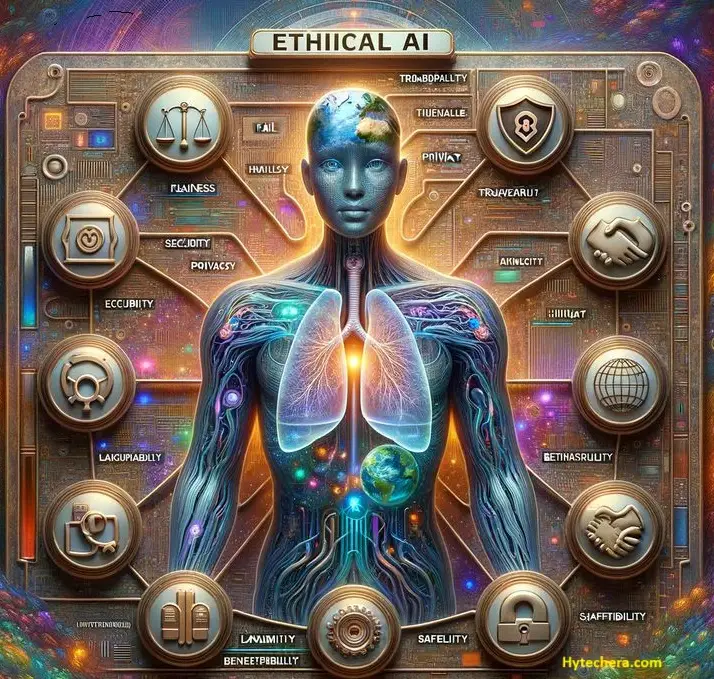
AI ethics are the set of rules and regulations that govern the deployment, development and and use of AI responsibly. This means providing a secure and safe friendly environment to interact with artificial Intelligent.
AI ethics are not meant to slow innovation but to ensure that innovation benefits society responsibly.
The main purpose is to guide people in a right way. Who is using AI by following AI code of ethics. When they are dealing with AI code of ethics it helps them make their decisions correct and responsible manner. Many companies use code of ethics in their project to make sure there are doing it in a responsible way.
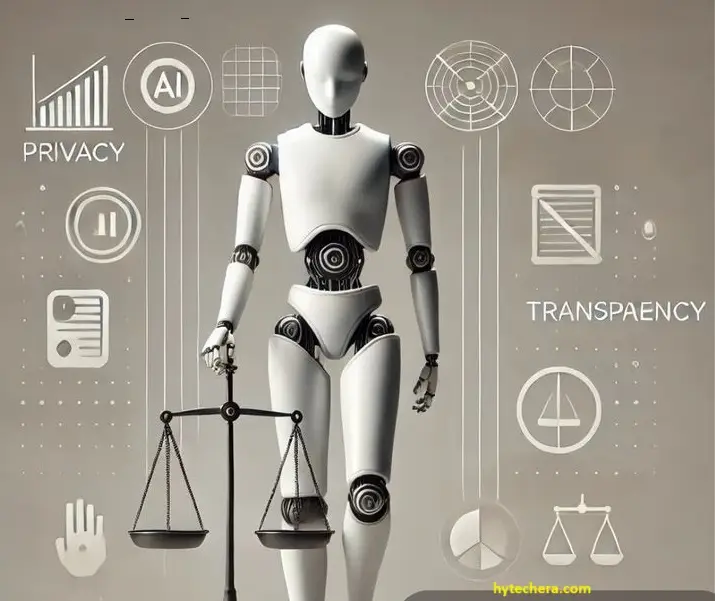
Many people think that AI ethics is only used in non-profit organizations and educational institutes. But now software industries like Google(Google AI Principles), IBM, meta using their own AI code of ethics and form a team to focus on these ethical issues related to AI. To deal with large amount of data, It is important to think about the ethical side of AI how to collect and use the data.
These principles help organizations evaluate AI risks before products reach real users.
Why AI ethics are important:
AI ethics are matter because, Artificial intelligence is created to replace the human intelligence or to do the things that humans can do. But it takes lot amount of data to figure out and to do the things. If you provide the false data, it can do mistakes like the humans do. These mistake should be even hurting the people without realizing. Sometimes AI can understand the things very faster and getting smarter day-by-day. It take the complex decisions on their own, even the people who made it don’t fully understand how it came to its conclusions. This means that we complete trust the systems that we don’t understand.
So this is why having AI ethics are more important, when you are facing a technology which is act like humans. If we do not pay attention on the AI code of ethics, you could end up facing a trouble without even realizing it. So it is important to have set of rule and guideline in place. It is not just about being responsible, ignoring ethics in AI can lead to risks which is also make an impact in the business.
For example, biased AI systems have already caused issues in loan approvals and job screenings.
Ethical challenges of AI:
Ethical challenges include AI bias and fairness, AI privacy and data protection and safety and security etc.
Understanding the risks helps us see where AI ethics play a critical role in real applications.
Bias and fairness :
If you teach an AI system on a data that shows biased or data that favors one group over another. Then AI systems can end up being unfair. This might favors certain candidates based on biased data in a areas like hiring. So we need to be carefully on data while we train an AI system. Making sure the training data should be fair and unbiased to everyone.
While reading case studies, I learned that biased data often reflects past human decisions rather than AI intent.
Privacy and data protection :
AI technologies rely on large number of data which is taken from social media comments and photos, internet searchers, online purchases and more. Analyzing, collecting and storing the data can compromise the privacy and data protection issues if it not handled responsibly.
As regular users, we often share data without realizing how AI systems process and store it.
Safety and security :
Errors in the AI systems can make the situations dangerous . Think about the medical diagnosis programs or self driving cars, errors in these systems can cause accidents or wrong diagnosis which is very dangerous. So we need to prevents this issues by carefully test the AI system and make sure they work correctly. By do these we can reduce the risk and provide safety and security to all.
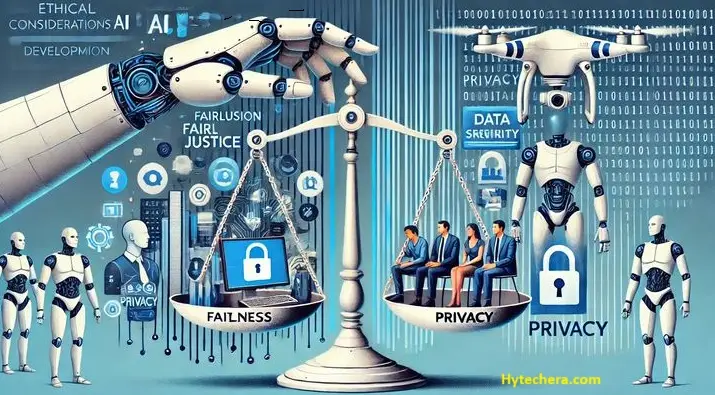
This is why many experts recommend human oversight in high-risk AI systems.
Future of Ethical AI:
AI technology is changing so fast, so some people argue that rules and regulations of AI ethics has became outdated quickly. Ethical AI will require continuous updates, not one-time rules. we need a more active methods to adopt to these changes to make sure AI is used in the best and safest possible way. As it became the integral part of our lives like education, social media, healthcare and transportation. So we need to face many questions about their privacy, data protection and AI bias and fairness issues if it not handled responsibly.
Businesses that prioritize ethical AI are more likely to gain long-term user trust.